

20251222
国際シンポジウム「南インドを知る」を開催しました!


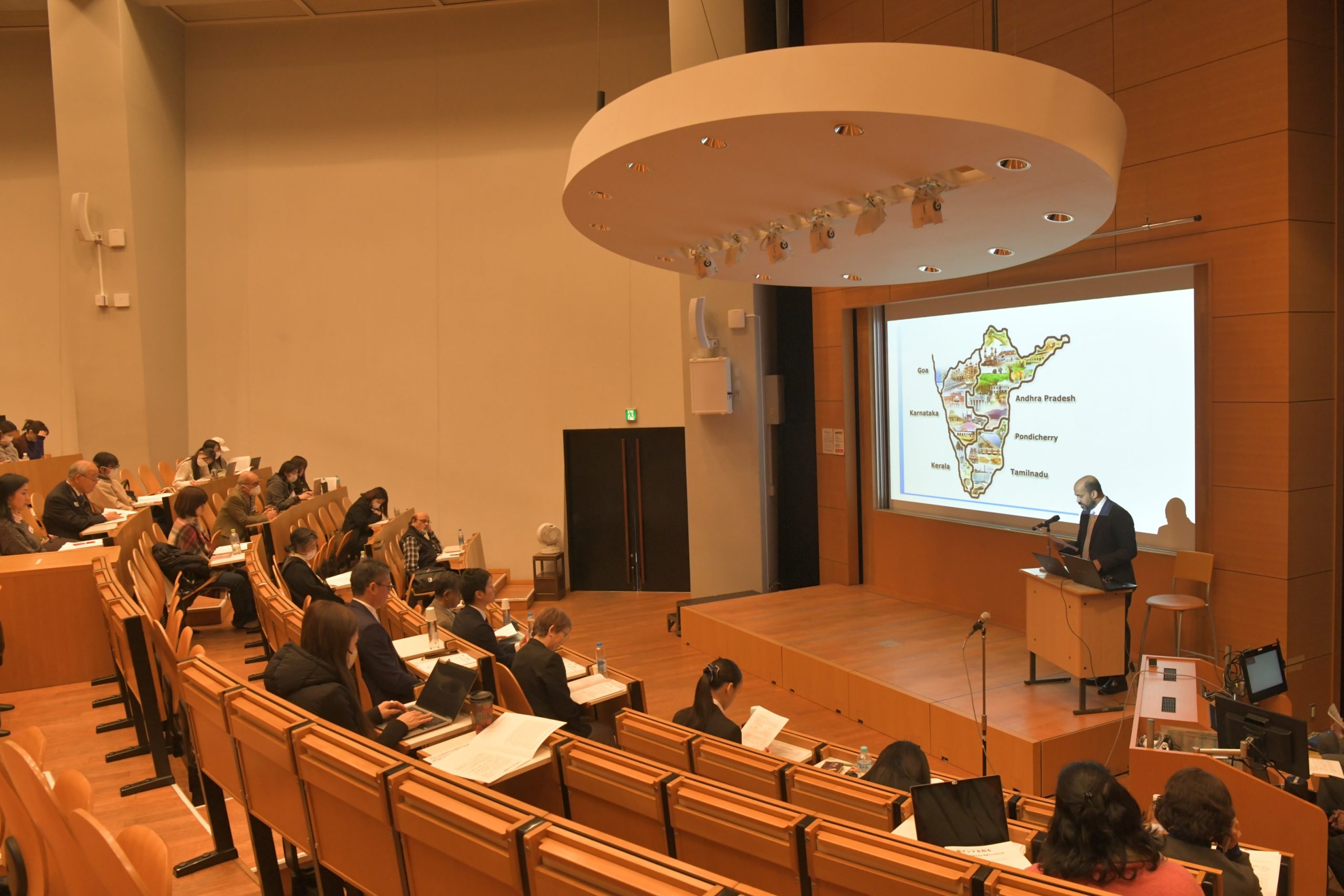
フェリス女学院大学は2025年8月末に南インドのStella Maris CollegeとSt. Joseph‘s Universityの2校と包括連携協定を締結しました。
今回、協定締結をふまえ、学術交流の一環として、南インドと日本とのつながりが深いことを多くの人に知ってもらい、多文化共生の一助としてもらいたい狙いから国際シンポジウムを企画しました。 2025年12月13日の午後、横浜の本学の会場と南インド(チェンナイ、ベンガルール)・シンガポールをオンラインで結び、二部構成のシンポジウムを開催することができました。
第一部では、南インドの2大学から3名の先生方に登壇いただき、特にコロナ禍を経て、南インドの女性たちを取り巻く環境がどのように変化したのか、を様々な観点から解説いただきました。インドにおいては特に行政だけでなく、地域及び女性のコミュニティーがコロナ禍を経て社会の基盤を支えることとなり、経済的な発展が継続していることがわかりました。
ベンガルールのセントジョセフ大学社会学部のチャンドニ・バンブハニ博士が、南インド4州での居住地の分断(レジデンシャル・セグリゲーション)を検証し、都市の中心部におけるカースト階層の回復力と適応性が示されると言及しました。低いカーストの人々は、引き続き資源の乏しい非公式居住区に住み続け、分断の程度は、大都市、中規模都市、小規模都市間で異なるといいます。ステラマリスカレッジのパドマ博士は、新型ウイルスによるパンデミック下では女性へのドメスティック・アビューズ(DV)が増加し、医療システムの過負荷により被害者への医療的ケアが困難になった事実を紹介し、多くの女性が虐待による身体的・感情的な傷を負っている事実を突きつけました。
同カレッジのシンシア・ジュード博士は、南インド各州の特徴、社会経済的、文化的背景を示し、各地域で違った公衆衛生・草の根・デジタル・宗教団体の対応や地方自治体の役割を説明しました。パンデミックは雇用の喪失や移住労働者の離散、教育の中断、メンタルヘルスの危機に代表される長期的な影響が生じており、それは深い傷跡を残しているといいます。一方でコミュニティ主導のネットワークや女性の自助グループ、宗教団体が回復とレジリエンスで重要な役割を果たていることも指摘しました。南インド・マンガロール出身の上智大のアルン・デゾーサ博士は、日本には伝わらないインドの地域レベルでの危機への対応やその多様性を再度確認し、南インドとの関係を深化させていくために重要な情報を共有したことを評価しました。
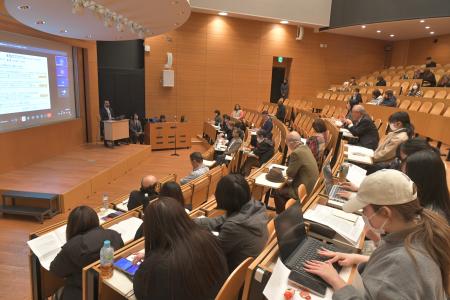
第二部においては、日本側から、日本政府・神奈川県・横浜が、インドとどのようにつながっているのか、を外務省・神奈川県・横浜インドセンターの立場から情報共有いただくことができました。
外務省の宮本新吾・南部アジア部長は、日印関係の最前線で働く立場から今後5年間で10兆円を日本からインドに投資する計画を盛り込んだ先般の日印共同宣言の内容を説明し、外交官のインドとの密な人間関係を紹介しながらインド人の魅力を話しました。
神奈川県はシンガポールの駐在事務所がインドを担当し、企業誘致や人的交流を推進しており、最前線の活動を神奈川県東南アジア事務所に駐在する仁谷浩之氏が紹介しました。横浜インドセンター会長のナリン・C・アドバニ氏は、祖父から横浜で貿易を営む歴史や元町・中華街のインド人居住区、現在におけるインドと日本の絆の強さの根源を教えてくれました。経済的なつながりは、歴史的に横浜が明治期の開港以来、インドをはじめとする諸外国との交流の拠点になり、そこには外国商人のコミュニティーが大きく寄与していたことを改めてしることとなりました。また、日本とインドとのつながりは、繊維に始まり、いまは半導体やIT・移動交通網といった最先端技術にまで進化していること、インドの優秀な人材が日本の産業においても重要な役割を担いつつあり、そのリクルーティングも進んでいることがわかりました。
会場からは、インドの人材が総じて優秀といわれる理由はなにか、と鋭い質問があり、その答えは「ジュガード」の精神が、インドの発展や人材育成のカギになっているからではないか、と横浜インドセンターのナリン会長と外務省の宮本部長が応じました。
今回のシンポジウムでは、南インドの情報が盛りだくさんとなり、時間が足りないくらいとなりました。しかし、インドを知るきっかけとして、参加いただいた皆様に話題提供ができたのではないかと考えます。
同時に、私たち日本は、明治期以来様々な諸外国と交流を重ねながら発展してきました。発展の背景には、歴史的背景もよく理解し、さらに「ジュガール」の精神も学び、日本とインドの良さを活かしながらとともにパートナーとして発展していける気付きが得られたと思います。
In August 2025, Ferris University signed comprehensive partnership agreements with two prestigious South Indian institutions: Stella Maris College and St. Joseph’s University.
To commemorate these ties and promote multicultural synergy, we hosted an international symposium on the afternoon of December 13, 2025. The event adopted a hybrid format, connecting our Yokohama campus with participants in Chennai, Bengaluru, and Singapore.
Symposium Report: Building New Partnerships with South India
The symposium featured two insightful sessions exploring the evolving relationship between Japan and India, with a particular focus on the resilience of South India and future economic collaboration.
Part I: Post-Pandemic South India and Social Resilience
Three scholars from prestigious South Indian universities discussed the socio-economic shifts following the COVID-19 pandemic.
- Dr. Chandni Bhambhani (St. Joseph’s University) analyzed “residential segregation” in South Indian cities, highlighting how caste-based hierarchies persist in urban planning and resource distribution.
- Dr. Padma (Stella Maris College) addressed the alarming rise in domestic abuse during lockdowns and the strain on healthcare systems, shedding light on the physical and emotional challenges faced by women.
- Dr. Cinthia Jude (Stella Maris College) highlighted the long-term impacts of the pandemic on labor and education, while emphasizing the vital role of community-led networks, women’s self-help groups, and grassroots organizations in driving recovery.
- Dr. Arun D’Souza (Sophia University) concluded that understanding these diverse, regional responses is essential for deepening Japan-South India relations.
Part II: Strengthening Ties through Government and Business
The second session focused on the strategic partnership between Japan and India at national and local levels.
- Mr. Miyamoto Shingo (Ministry of Foreign Affairs) discussed the joint declaration to invest 5 trillion yen (approx. $35 billion) in India over five years, emphasizing the profound human connections that drive diplomacy.
- Mr. Nitani Hiroyuki (Kanagawa Prefecture Southeast Asia Office) shared efforts in business attraction and talent exchange managed through their Singapore hub.
- Mr. Nalin C. Advani (Yokohama India Centre) reflected on the historical roots of the Indian community in Yokohama since the Meiji era, tracing the evolution of trade from textiles to cutting-edge semiconductors and IT.
Key Takeaway: The Spirit of “Jugaad”
A highlight of the Q&A was the discussion on why Indian talent is globally recognized for excellence. Panelists pointed to the spirit of “Jugaad”—the ability to find innovative, frugal solutions under constraints. By embracing this mindset alongside Japan’s historical strengths, both nations can continue to grow as indispensable partners. We hope this symposium serves as a catalyst for further mutual understanding and collaborative innovation.